

Adhik Maas: A Sacred Time Of Reflection, Rituals & Silver Traditions That Stay In Families Forever

For generations, Chandukaka Saraf has remained deeply connected to Indian traditions, celebrations, and emotional family milestones. Among the many sacred periods observed across Hindu culture, Adhik Maas holds a uniquely spiritual place. It arrives quietly, without grand festivities, yet carries immense emotional, cultural, and devotional meaning inside Indian households. For many families, Adhik Maas is not simply another month in the calendar. It is a sacred phase dedicated to prayer, gratitude, charity, and reconnecting with traditions that often get lost in the rush of modern life. Homes feel calmer, rituals become more intentional, and family customs passed down through generations begin to take centre stage once again. Beautifully woven into these traditions is silver. From silver payals gifted to daughters, sacred utensils used during rituals, and heirloom pieces preserved across generations, silver has always shared a timeless relationship with Adhik Maas. This is a month where purchases are not driven by trends or extravagance, but by meaning, blessings, and emotional value.
Why Silver Holds Such Importance During Adhik Maas
In Indian traditions, silver has long symbolised purity, positivity, prosperity, and spiritual calmness. During Adhik Maas, purchasing or gifting silver is believed to invite blessings and peaceful energy into the household.
Unlike trend-driven purchases, silver bought during this period often becomes emotionally valuable over time. A silver diya used during prayers today may continue becoming part of family rituals decades later. A silver bowl purchased during this month may eventually pass through generations. This emotional permanence is what makes silver during Adhik Maas feel so meaningful.
Silver Payals: A Tradition That Never Loses Its Charm
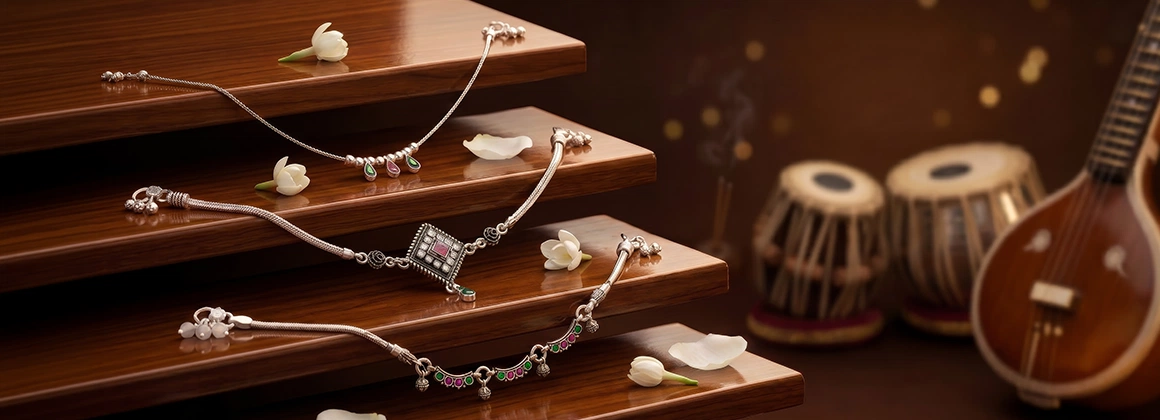
Among the most loved silver gifts during Adhik Maas are payals. Delicate yet deeply symbolic, silver anklets have always represented femininity, prosperity, and grace in Indian culture. For daughters, receiving silver payals from parents or grandparents often becomes an emotional memory attached to blessings and affection.
What makes them especially timeless today is their ability to evolve beautifully with contemporary styling. Modern silver payals are lighter, elegant, wearable, and versatile enough for both traditional and everyday looks. This balance of tradition and modern elegance is something Chandukaka Saraf continues celebrating through thoughtfully designed silver collections.
Why Adhik Maas Is Deeply Connected To Charity
Another important aspect of Adhik Maas is daan, or charitable giving. Hindu traditions encourage acts of kindness, food donation, temple offerings, and helping others during this spiritually powerful period.
This focus on giving changes the emotional meaning of gifting itself. During Adhik Maas, gifts are less about display and more about blessings, intention, and goodwill. Silver coins, pooja articles, and symbolic jewellery pieces often become part of this tradition of meaningful giving.
There is something deeply emotional about gifts chosen during this month because they are selected with devotion rather than occasion alone.
Modern Families, Timeless Traditions
Even as lifestyles continue evolving rapidly, traditions connected to Adhik Maas remain emotionally relevant. Younger generations today are rediscovering the beauty of meaningful rituals, intentional gifting, and jewellery connected to culture rather than temporary trends.
A minimalist silver bracelet may become everyday wear. A handcrafted pooja thali may become part of annual rituals. A traditional pair of payals may continue carrying memories across generations. This balance between heritage and modernity is exactly why sacred silver traditions continue feeling timeless.
A Sacred Reminder To Slow Down
In a fast-moving world filled with temporary trends and constant noise, Adhik Maas quietly reminds people to pause. To reconnect with family traditions. To pray with intention. To give thoughtfully. To value emotional permanence over momentary excitement.
Perhaps that is why silver feels so naturally connected to this sacred month. It reflects purity, simplicity, devotion, and timelessness, everything Adhik Maas itself represents.
Through meaningful silver traditions crafted with emotion and heritage, Chandukaka Saraf continues helping families celebrate these sacred moments with grace, blessings, and timeless beauty.