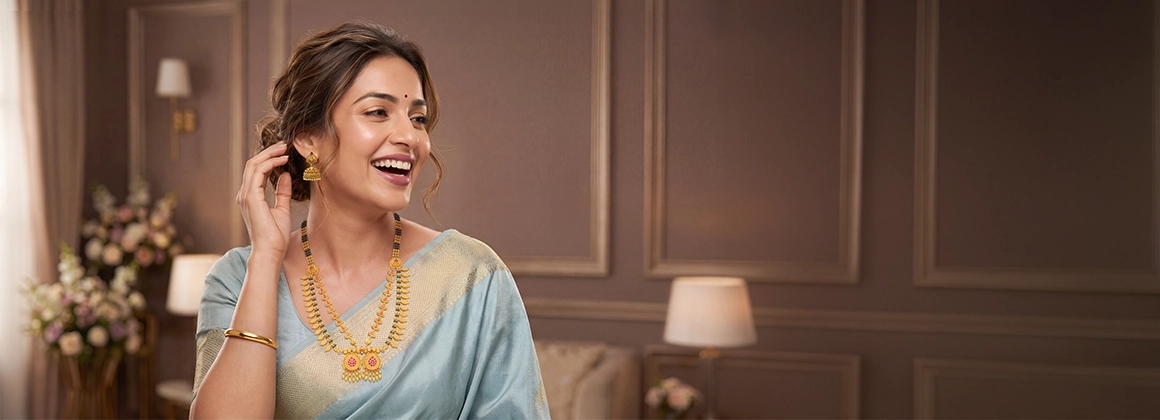
More Than a Tradition: How the Mangalsutra Became a Woman’s Personal Statement

There was a time when the mangalsutra had a clearly defined role. It was gifted at the wedding, worn as a symbol of marriage, and recognised instantly for what it represented. It carried the weight of tradition, family values, and generations of cultural heritage. Today, that meaning remains unchanged. What has changed is how women choose to express it.

The modern mangalsutra is no longer confined to a single design, a fixed style, or a set of expectations. It has evolved into something far more personal. For many women, it is not just a symbol of marriage but an extension of their identity, reflecting their personality, lifestyle, and individual sense of style. This ability to evolve while retaining its emotional significance is what has allowed the mangalsutra to remain relevant across generations.

A tradition that evolved with
changing lifestyles

Few pieces of jewellery have adapted as naturally to changing times as the mangalsutra. As women’s lives transformed over the decades, their jewellery evolved alongside them. Today’s woman may be a professional, entrepreneur, artist, traveller, creator, mother, or all of these at once. She moves through multiple roles every day and seeks jewellery that complements her lifestyle rather than restricts it.

This shift has changed the way women approach the mangalsutra. Instead of reserving it solely for ceremonial occasions, they want pieces that can become part of their everyday lives. They seek designs that are meaningful yet effortless, traditional yet contemporary, elegant yet practical.

As a result, the mangalsutra has transformed from a ceremonial ornament into one of the most frequently worn pieces in a woman’s jewellery collection.

From expectation to self-expression

Perhaps the most significant evolution has been the shift from obligation to choice. Previous generations often wore the mangalsutra because tradition expected them to. Today, women are making conscious decisions about how they want this symbol to look and feel.

They are choosing designs that align with their personalities. They are looking for pieces they genuinely enjoy wearing every day. They are seeking jewellery that reflects who they are rather than simply following convention.

This desire for personal expression has reshaped the entire category. Women are increasingly drawn to minimalist pendants, contemporary silhouettes, delicate chains, and versatile designs that integrate seamlessly into modern wardrobes. The mangalsutra is no longer just something a woman receives. It is something she chooses.

The shift to everyday wear trends are
driving design innovation

The modern woman expects her jewellery to move effortlessly with her through the day. A piece worn daily must offer comfort without compromising on beauty. This is why lightweight mangalsutras have become one of the defining trends in contemporary jewellery.

Thoughtfully designed chains, balanced proportions, refined pendants, and elegant detailing make these pieces easy to wear from morning meetings to evening celebrations. They pair naturally with both Indian and western attire, making them suitable for every aspect of modern life. This shift towards everyday wear has also influenced design aesthetics. Rather than elaborate, occasion-specific styles, women are gravitating towards jewellery that feels timeless, versatile, and easy to incorporate into their personal style.

The growing appeal of diamond Mangalsutras

Diamonds have played an important role in redefining the mangalsutra for a new generation. Rather than replacing traditional elements, diamonds have enhanced them, adding a contemporary layer of sophistication while preserving the emotional significance of the piece.

A diamond mangalsutra effortlessly transitions between professional settings, family celebrations, travel, and everyday moments. Its versatility has made it especially appealing to women who value jewellery that adapts to different aspects of their lives.

Natural diamonds also carry a timeless appeal. Their brilliance, rarity, and enduring value make them a meaningful addition to a piece already rich in symbolism. This combination of sentiment and sophistication has contributed to the growing popularity of diamond mangalsutras among modern buyers.

How Ananta by Chandukaka Saraf is
Redefining the modern Mangalsutra

As women’s preferences have evolved, jewellery design has evolved with them. Collections like Ananta by Chandukaka Saraf represent this new chapter in the story of the mangalsutra. Inspired by the idea that tradition should evolve alongside the woman who wears it, Ananta brings together heritage, craftsmanship, purity, and contemporary design in a collection created for modern lifestyles.

The collection offers a diverse range of styles, recognising that every woman expresses tradition differently. Some are drawn to classic yellow gold designs that honour timeless aesthetics. Others prefer contemporary rose gold styles that bring a softer, more modern character to the piece. Many choose diamond-accented designs that combine symbolism with everyday elegance.

At the foundation of every Ananta creation is trust and craftsmanship. Each piece is crafted in BIS hallmarked gold, ensuring purity and quality, while the diamond designs feature carefully selected natural diamonds known for their enduring beauty and brilliance.

What makes the collection particularly relevant today is its focus on wearability. Modern women are increasingly looking for jewellery that becomes part of their daily routine rather than remaining reserved for special occasions. Lightweight construction, thoughtfully balanced proportions, versatile pendants, and refined detailing make Ananta mangalsutras comfortable enough for everyday wear while preserving the significance associated with the piece.

The collection also embraces a wide variety of design inspirations. Traditional motifs are reinterpreted through contemporary aesthetics, creating pieces that feel rooted in heritage while remaining relevant to present-day preferences. Clean geometric forms, elegant floral inspirations, delicate diamond arrangements, and minimalist pendant styles allow women to choose designs that resonate with their individual personalities.

This diversity reflects an important truth about modern traditions. There is no single way to honour them.

Some women prefer understated designs that blend seamlessly into their everyday wardrobes. Others gravitate towards statement pieces that celebrate craftsmanship and detail. Some value classic gold, while others appreciate the contemporary elegance of diamonds and rose gold.

Ananta embraces all of these choices. Rather than defining how a woman should wear her mangalsutra, the collection allows her to define it for herself.

A symbol that continues to evolve

One of the reasons the mangalsutra has remained relevant for generations is its ability to adapt without losing its essence.

A grandmother’s mangalsutra may reflect the design language of her era. A mother’s piece may represent a balance between tradition and practicality. A daughter’s choice may prioritise versatility, personal style, and contemporary aesthetics.

Yet the meaning remains remarkably consistent. The mangalsutra continues to symbolise love, commitment, partnership, and shared journeys. What has changed is the freedom women now have to express those values in ways that feel authentic to them.

That is what makes the modern mangalsutra so powerful. It is more than a piece of jewellery. It is more than a tradition.

It is a reflection of personal identity, evolving lifestyles, and enduring relationships. It honours the past while embracing the present, proving that traditions do not remain relevant because they stay the same. They remain relevant because they evolve alongside the people who cherish them.
And with every new generation of women, the story of the mangalsutra continues to be written anew.